Blinds To Go
Ecommerce Experience Redesign

Redesigning a high-consideration ecommerce experience to improve product discovery, reduce decision friction, and drive higher-intent conversions across online and in-store journeys.

Role: Digital Experience Designer / Visual Lead

Scope: Homepage • PDP • Customization Flow • Mobile UX • Design System • Campaign & Promotional Integration

_

The Challenge

Business Context

Blinds To Go operates in a made-to-order, non-returnable model where purchase confidence is critical.

Customers entered the site with different goals, shopping online, booking consultations, or requesting samples, but the experience prioritized promotions over clarity. This created competing visual priorities, slowed decision-making, and weakened high-intent conversion paths.

Design Principles

• Design for purchase confidence in a high-consideration, final-sale model
• Prioritize high-intent conversion paths over promotional noise
• Structure product information to support faster decision-making
• Balance brand storytelling with performance-driven hierarchy
• Reinforce trust through visual clarity and responsive feedback

Blinds To Go — User Flow
First-Time Visitor
User Flow

From an uninformed shopper to a confident buyer — education and clarity built into every touchpoint.

Previous Pain Point
Design Insight
Design Solution
Entry
01
Lands on Homepage
First-time visitor arrives with mixed intent — shopping online, booking a consultation, or requesting swatches. They need immediate direction.
Previous Experience Promotions dominated the homepage. Competing visual priorities slowed decision-making and weakened high-intent conversion paths.
Design Insight Customers don't think in product categories — they think in spaces and immediate needs. Entry points needed to reflect how they actually shop.
Solution Established four clear primary pathways: Shop Online, Shop In-Home, Find a Store, Free Swatches. Reduced promotional dominance to protect high-intent routes.
Promotion overload Clear entry points Reduced competing actions
Discovery
02
Shop by Room
User selects a room — Kitchen, Living Room, Bedroom, Kids Room, Bathroom — rather than navigating abstract product categories.
Previous Experience Generic category browsing left users struggling to understand how products would fit their actual space.
Design Insight Users want to visualize how products look and function within their specific environment — not sort through abstract product types.
Solution Introduced room-based navigation with contextual landing experiences (e.g., Kids Room) showcasing relevant products, safety features, and material guidance.
Abstract categories Room-first navigation Contextual discovery
03
Product Detail Page
User selects a product. The PDP is designed to build decision confidence in a made-to-order, final-sale environment where returns are not an option.
Previous Experience Dense information and competing customization options created cognitive overload. Users couldn't distinguish between product types — blind vs. shade, for example.
Solution Reorganized content hierarchy to prioritize decision-critical information. Simplified layout, grouped customization into progressive sections, and protected primary CTAs from competing modules.
Cognitive overload Progressive hierarchy Clear product context Protected CTAs
Customization
04
Step-by-Step Customizer
User configures their order through a structured, progressive flow. One decision at a time — each step revealed only after the previous is completed.
Previous Experience All configuration options were presented simultaneously. Too many buttons, no clear sequence — complex steps increased abandonment risk significantly.
Solution Introduced progressive disclosure to prevent simultaneous decision overload. Structured steps logically with real-time visual previews to reinforce confidence at each stage.
1
Style & Color
2
Mount Type
3
Product Measurements
4
Panel Style
5
Opening Type
6
Privacy Liner
7
Mechanism
8
Add-ons & Extras
Simultaneous overload Progressive disclosure Visual previews Reduced abandonment
Conversion
05
Cart — Order Review
User reviews their fully configured order before committing. Every customization spec is surfaced clearly — making it easy to verify each decision before a final-sale purchase.
Style Color Width & Height Panel Style Opening Type Privacy Liner Mechanism Mount Type Collection
Full spec transparency Pre-commit confidence
06
Delivery & Designer Review
User selects delivery method — Free In-Store Pickup or Delivery to Address — then is offered a free designer review before the order enters production.
Key Trust Signal "Review with Designer (FREE)" — a safety net unique to the final-sale model. Gives first-time buyers confidence that an expert will catch any errors before production begins. Cannot be modified once submitted.
✓ Yes — Review with Designer Expert checks order before production. Maximum confidence for a first-time buyer.
→ No — Submit Directly Confident returning buyer or DIY shopper proceeds using the Order Checklist.
Free designer review DIY order checklist Final confidence check
Order Placed — Confident First-Time Buyer
A customer who arrived knowing nothing about blinds or shades has made a fully customized, final-sale purchase — without confusion, intimidation, or drop-off. Education was built into every step of the journey.
+1.1%
Add-to-cart rate improvement
+75%
Product page clarity improvement
8
Guided steps vs. one overwhelming screen
4
Clear homepage entry points established

Homepage - Clarity Entry Points

Problem:
Users arrived with mixed intent but lacked clear direction, leading to confusion and drop-off.

The Insight

Problem

Introduced dedicated CTAs for each service path to create immediate clarity, reduce competing actions, and align the homepage directly with core business goals.

Solution

  • Established clear primary pathways: Shop Online, Shop at Home, Find a Store, Request Swatches

  • Simplified navigation hierarchy to reduce competing actions

  • Introduced “Shop by Room” to narrow product discovery through contextual relevance

  • Reduced promotional dominance to protect high-intent pathways

Outcome

Transformed the homepage into a guided entry experience that reduced friction and clarified next steps across all user paths.

Shop By Room - Product Discovery

Most users arrived knowing what room they needed to furnish – not what product category they were looking for. Leading with product types instead of spaces created an immediate disconnect that made browsing feel overwhelming.

Insight

Customers don’t think in product categories – they think in spaces. The opportunity was to meet them where their mental model already was, not force them to learn ours.

Solution

  • Introduced a “Shop by Room” entry point to align browsing with real-life contexts

  • Organized products by space to make exploration more intuitive
  • Created contextual landing experiences (e.g., Kids Room) to showcase relevant products

  • Reduced reliance on generic category browsing

Outcome

Created a more guided discovery experience that helped users narrow their search faster and feel more confident in their product selection.

Product Detail Page

Increasing Decision Confidence in a Final-Sale Model

Context

Products are custom and non-returnable, increasing hesitation and information-seeking behavior on the PDP.

Problem

In a made-to-measure, non-returnable model, hesitation at the PDP is costly. Dense information and competing options were creating decision uncertainty at the most critical point in the journey.

Constraints

  • Marketing required promotional visibility & product clarity.

  • CMS structure limited component flexibility

  • Ecommerce needed to support both online checkout and store consultation

Solution

  • Reorganized content hierarchy to prioritize decision-critical information

  • Simplified layout to reduce visual noise

  • Grouped customization into structured, progressive sections

  • Protected primary CTAs from competing modules

  • Balanced promotional content without disrupting the purchase flow

Constraints

rketing required promotional visibility & product clarity.

  • CMS structure limited component flexibility

  • Ecommerce needed to support both online checkout and store consultation

Outcome

Created a more focused product experience that supports confident decision-making and reduces hesitation.

Customization Flow

Problem

Complex configuration steps increased abandonment risk.

Solution

  • Introduced progressive disclosure to prevent simultaneous decision overload

  • Structured steps logically (Style → Mount → Material → Add-ons)

  • Provided real-time visual previews to reinforce confidence

  • Improved labeling and hierarchy to reduce user error

Outcome

Simplified a complex configuration process into a guided, structured flow that reduced friction and increased confidence during customization.

Collaboration & Alignment

Redesigning core purchase flows meant navigating competing priorities across marketing, ecommerce leadership, and engineering. Getting alignment required more than good design – it required clear communication of tradeoffs.

Leadership & Alignment

  • Presented user-centered rationale grounded in decision fatigue and cognitive load

  • Facilitated tradeoff discussions between campaign visibility and conversion performance

  • Partnered with engineering to translate design into scalable CMS components

  • Maintained design integrity and consistency through multiple rounds of stakeholder feedback

Constraints

  • Marketing required promotional visibility & product clarity.

  • CMS structure limited component flexibility

  • Ecommerce needed to support both online checkout and store consultation

Result

The redesigned experience improved clarity across key touchpoints, strengthened high-intent conversion pathways, and created a more cohesive connection between ecommerce, in-store, and consultation journeys.

Beyond the ecommerce experience, I supported how the brand shows up visually across digital touchpoints, ensuring consistency between the product experience and marketing efforts.

Campaign Production & Direction

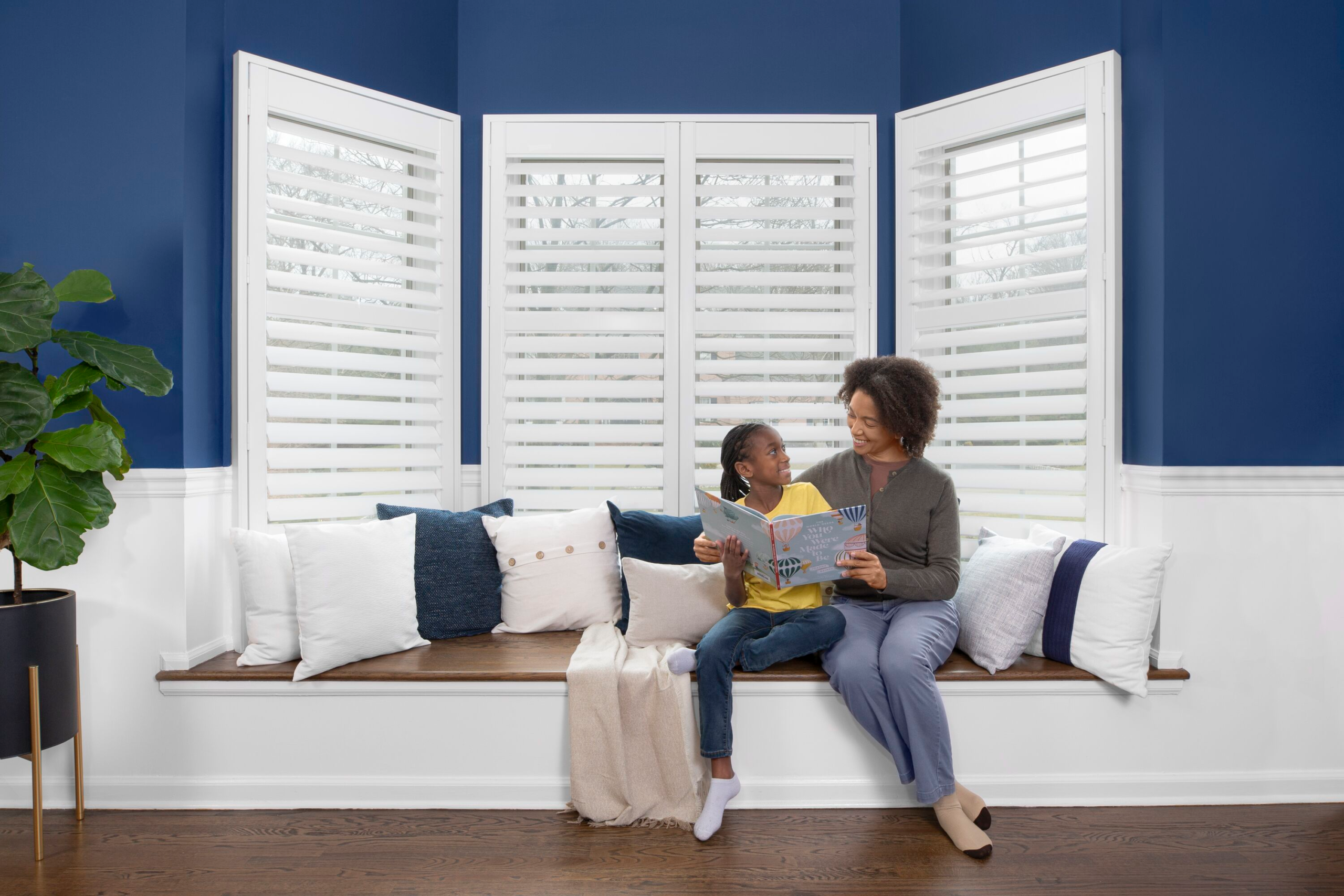
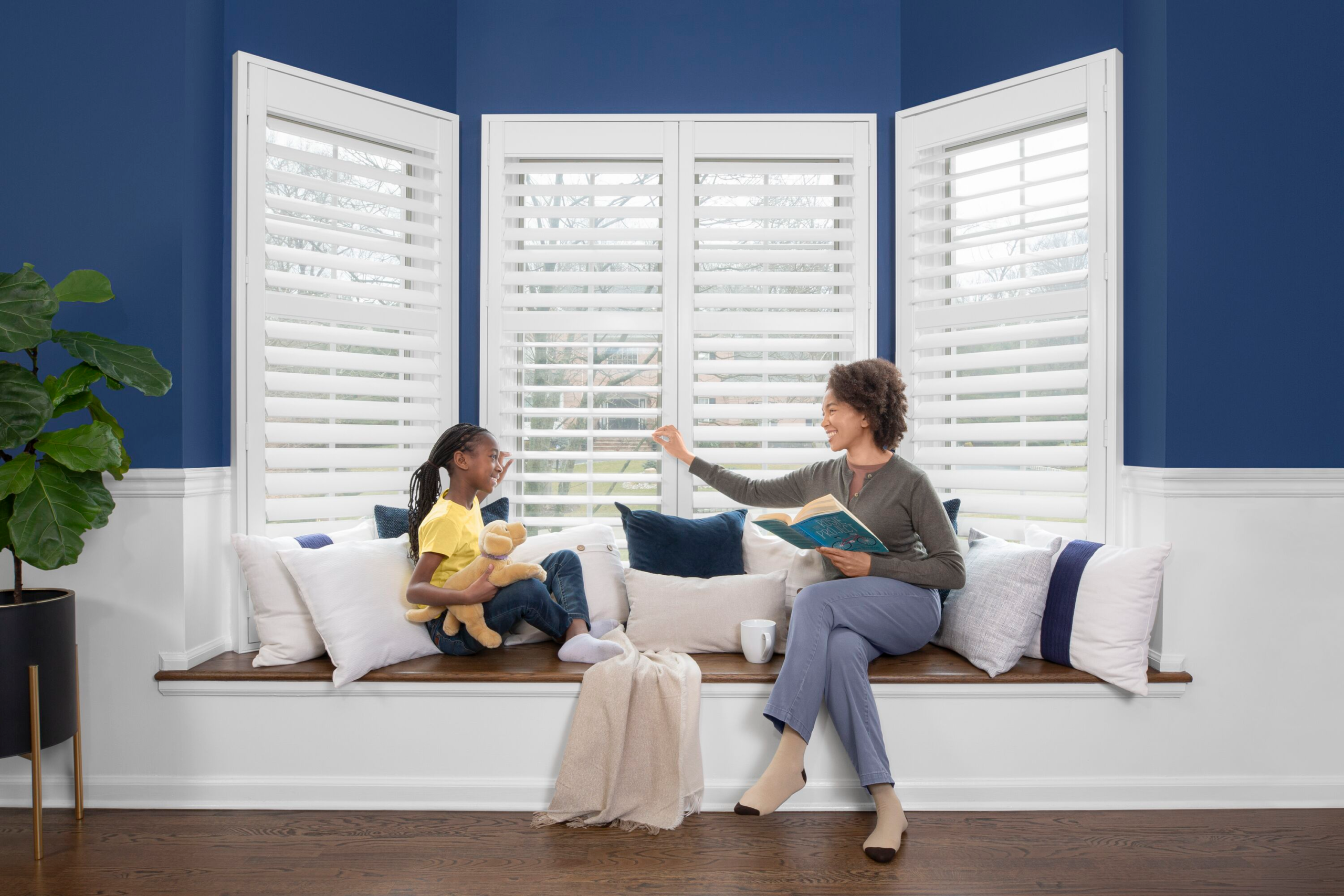
I led production from concept through execution, overseeing creative direction, talent, and on-set storytelling to ensure the refreshed brand translated authentically into real homes.

Behind the scenes on set: Directing talent, testing lighting, and capturing the details that make it all come together.

Great imagery gets remembered.

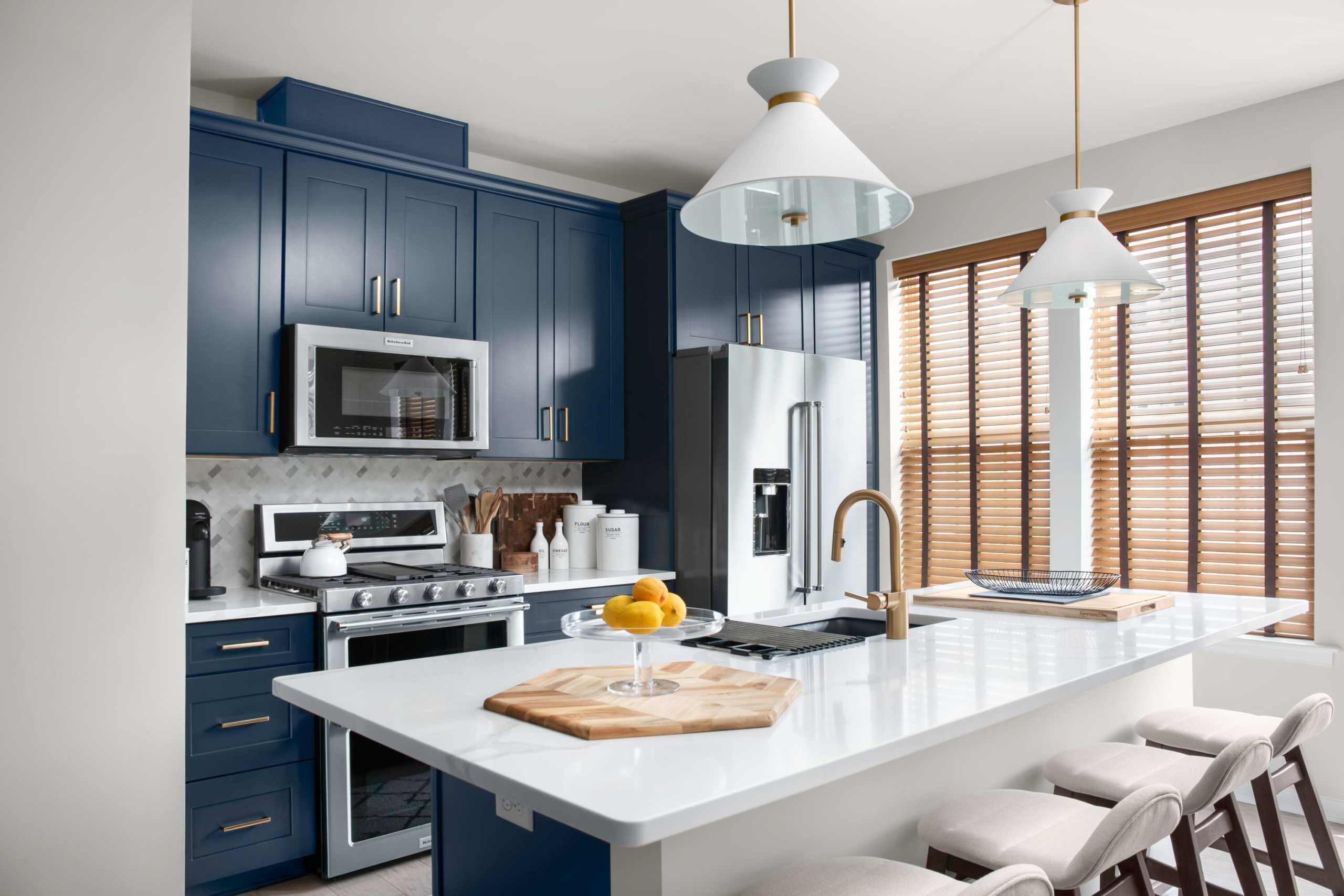
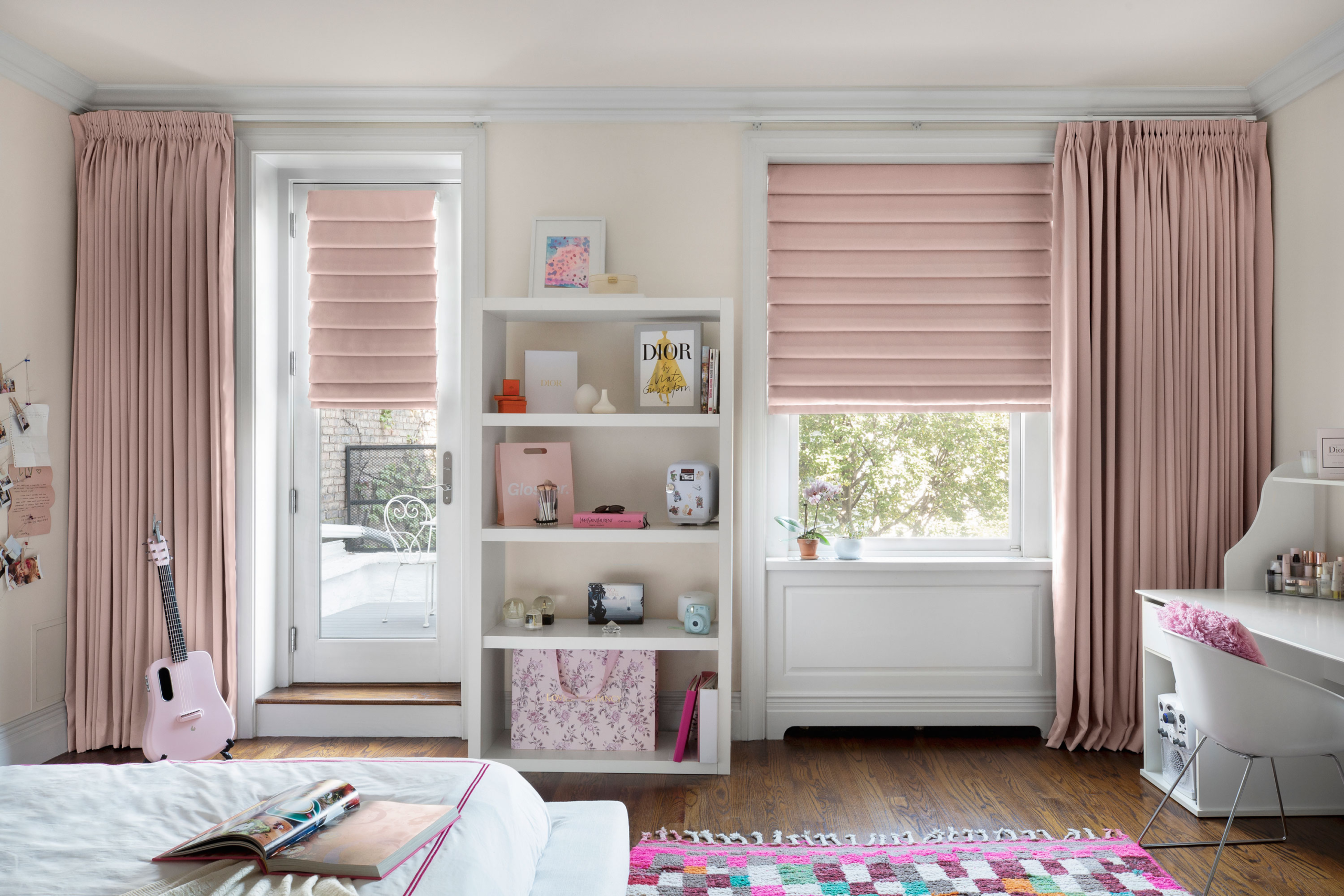
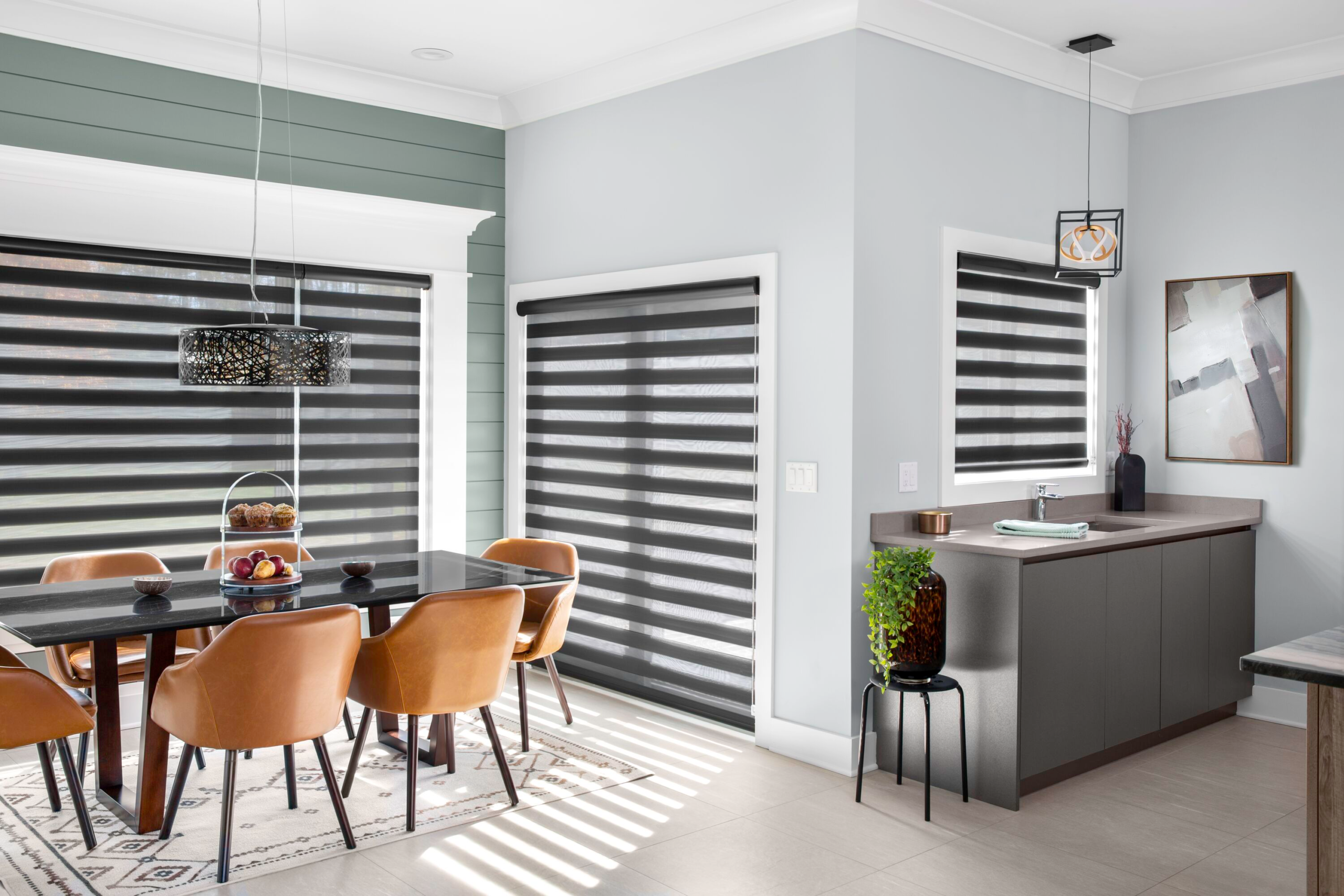
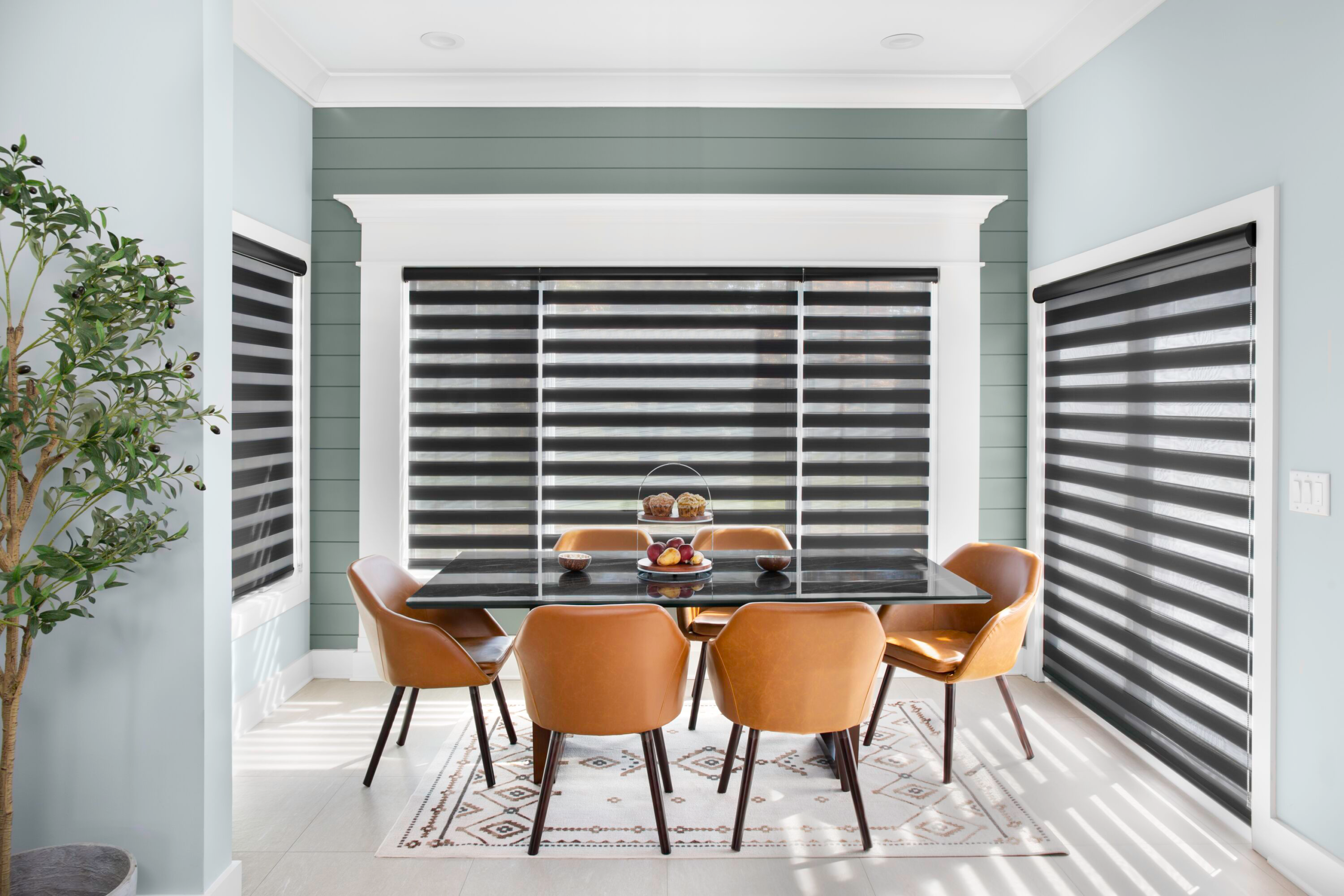
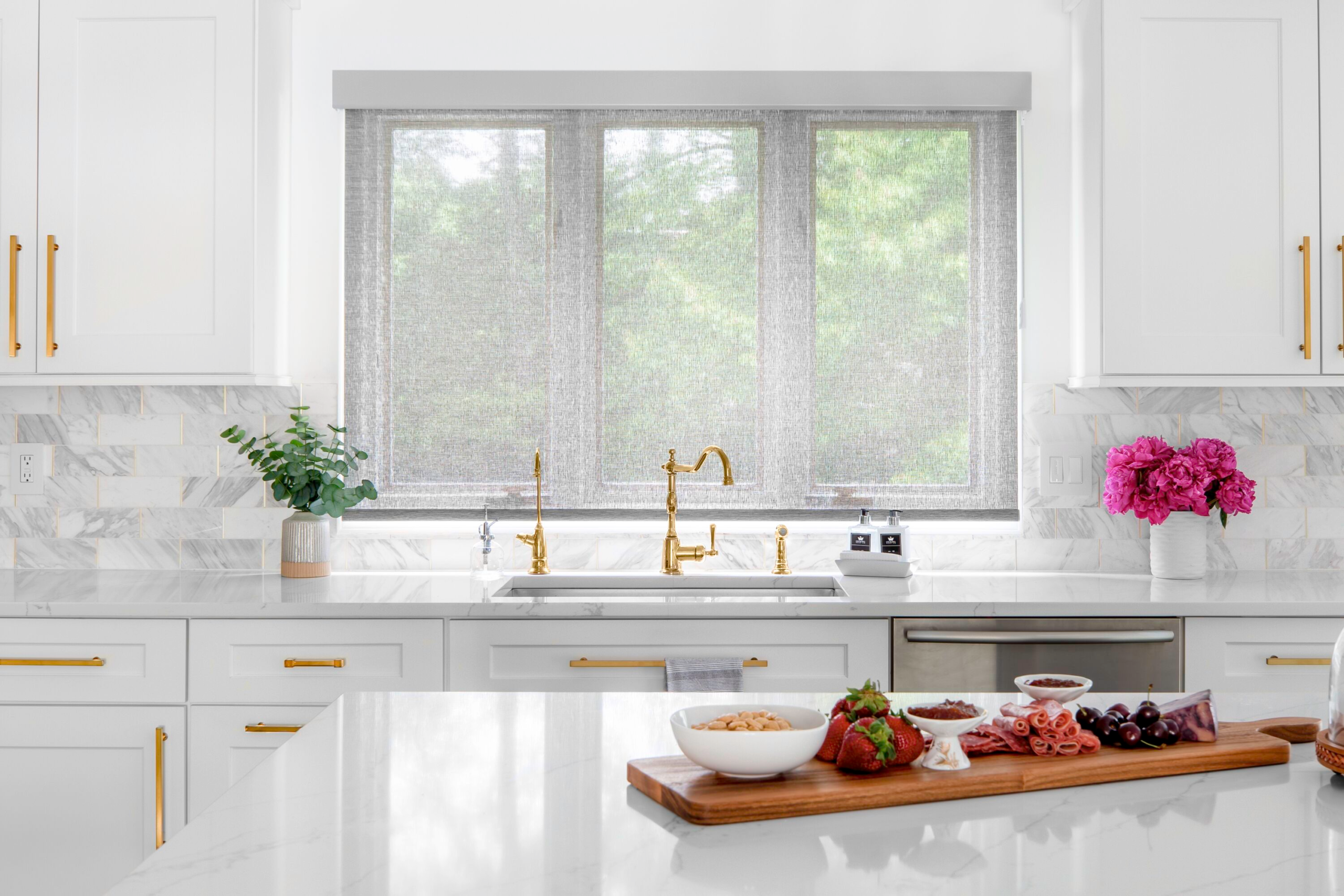
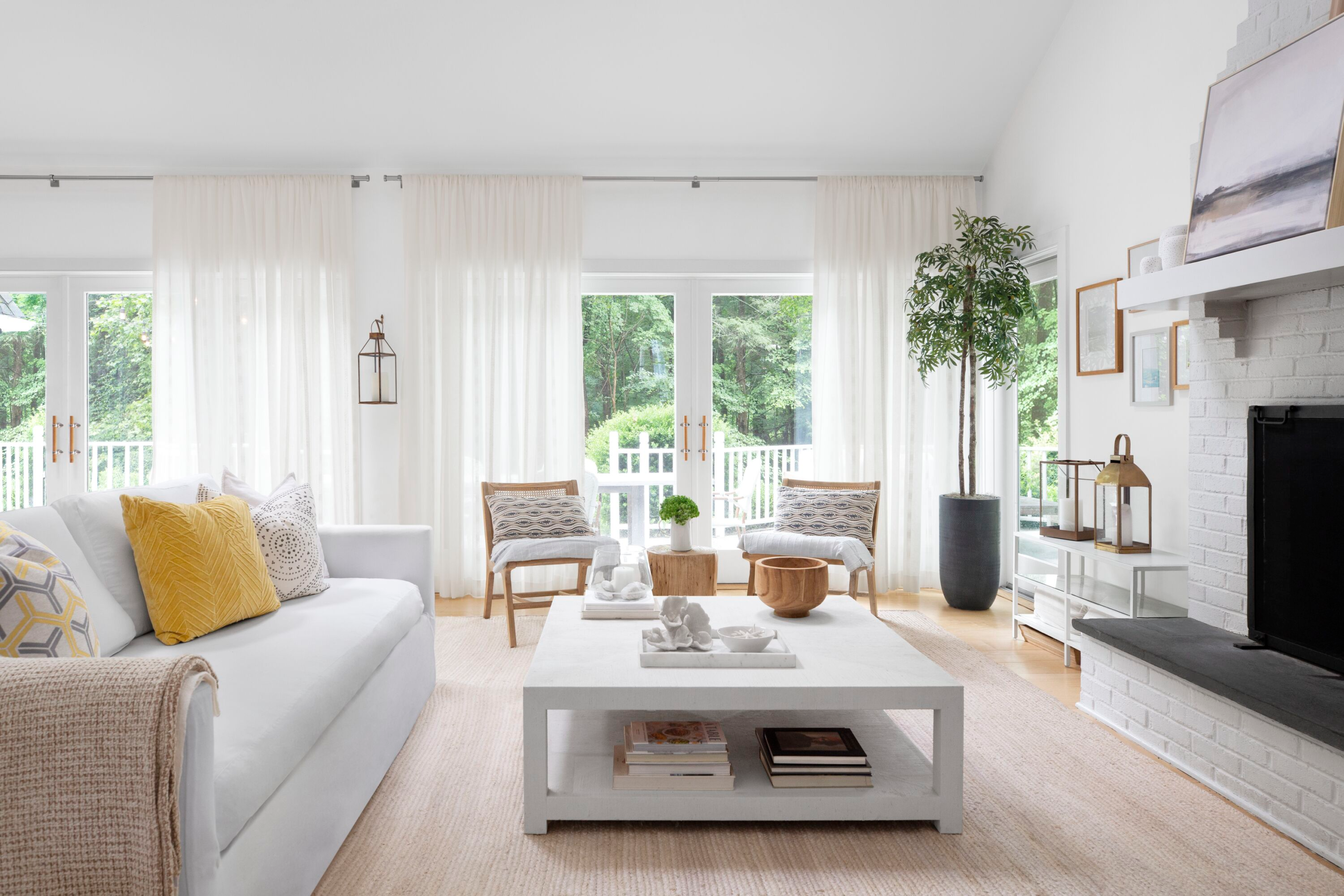
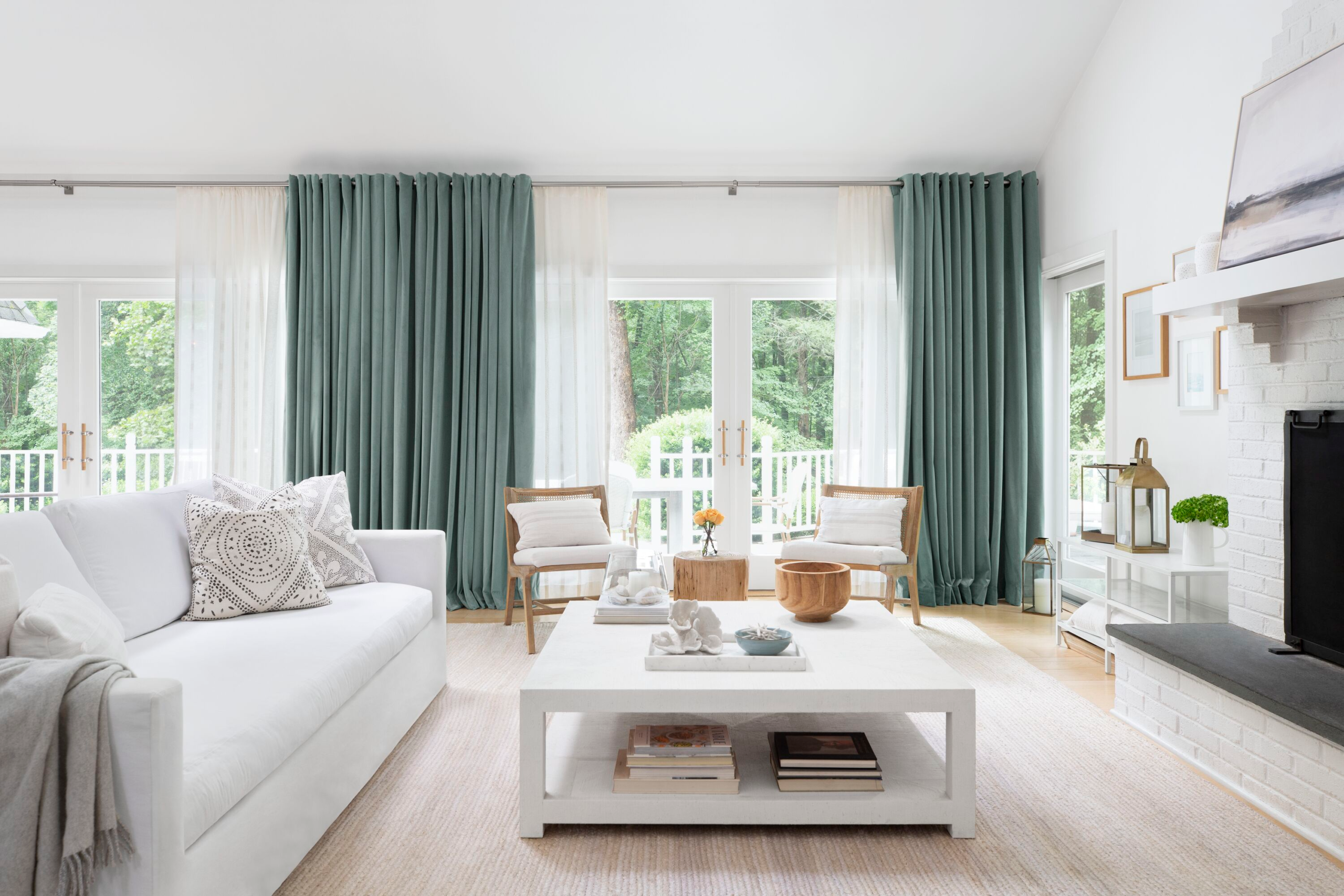
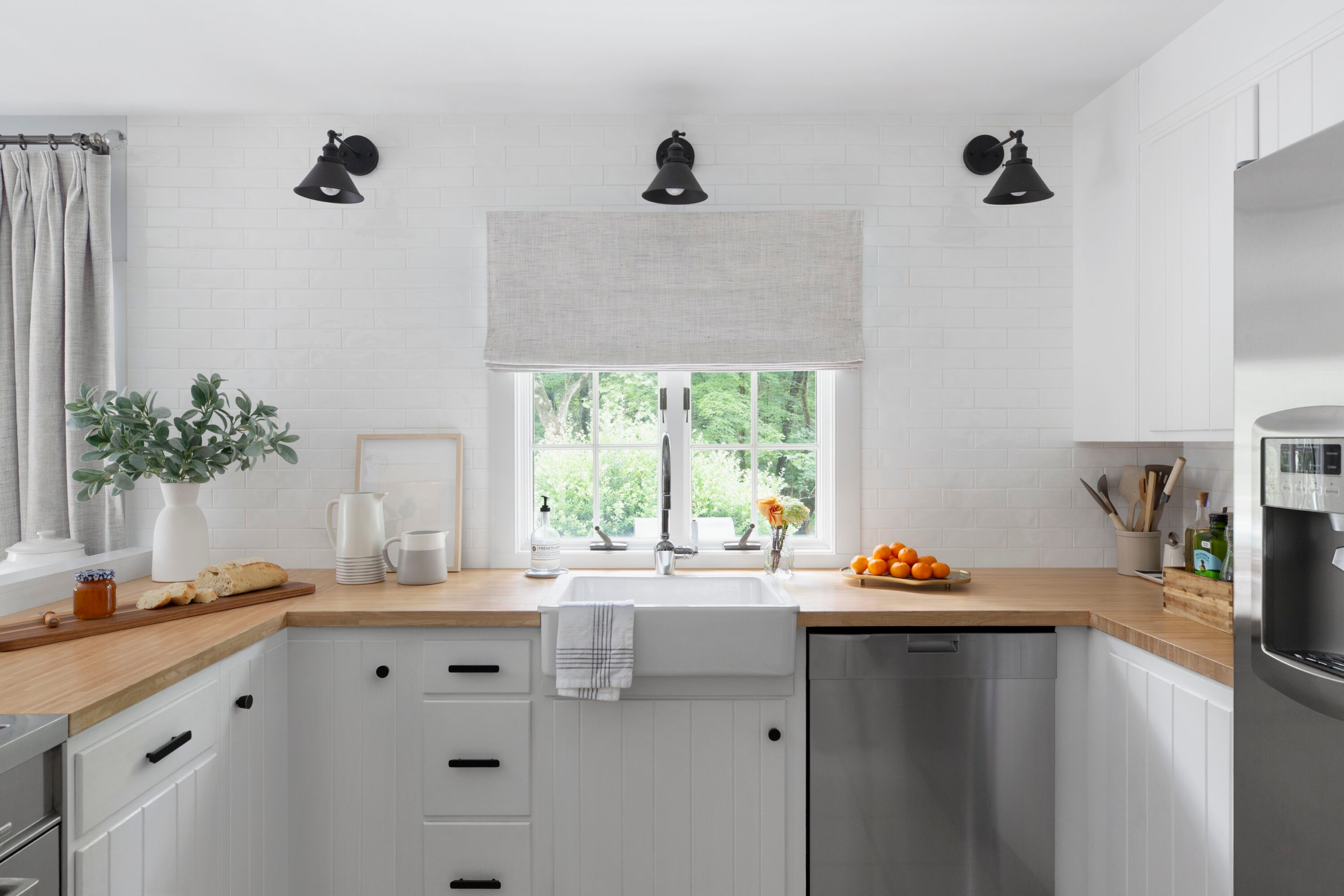
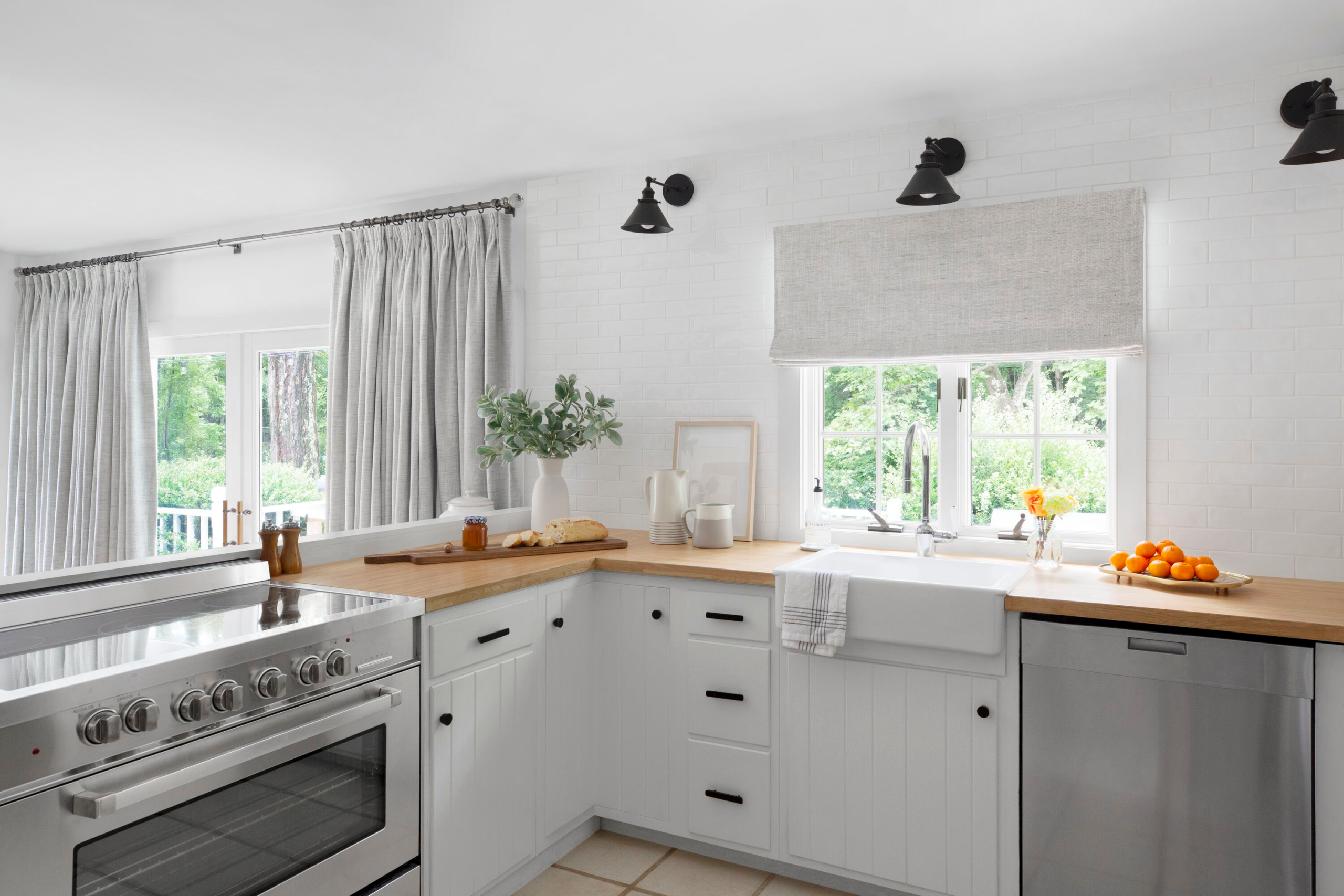
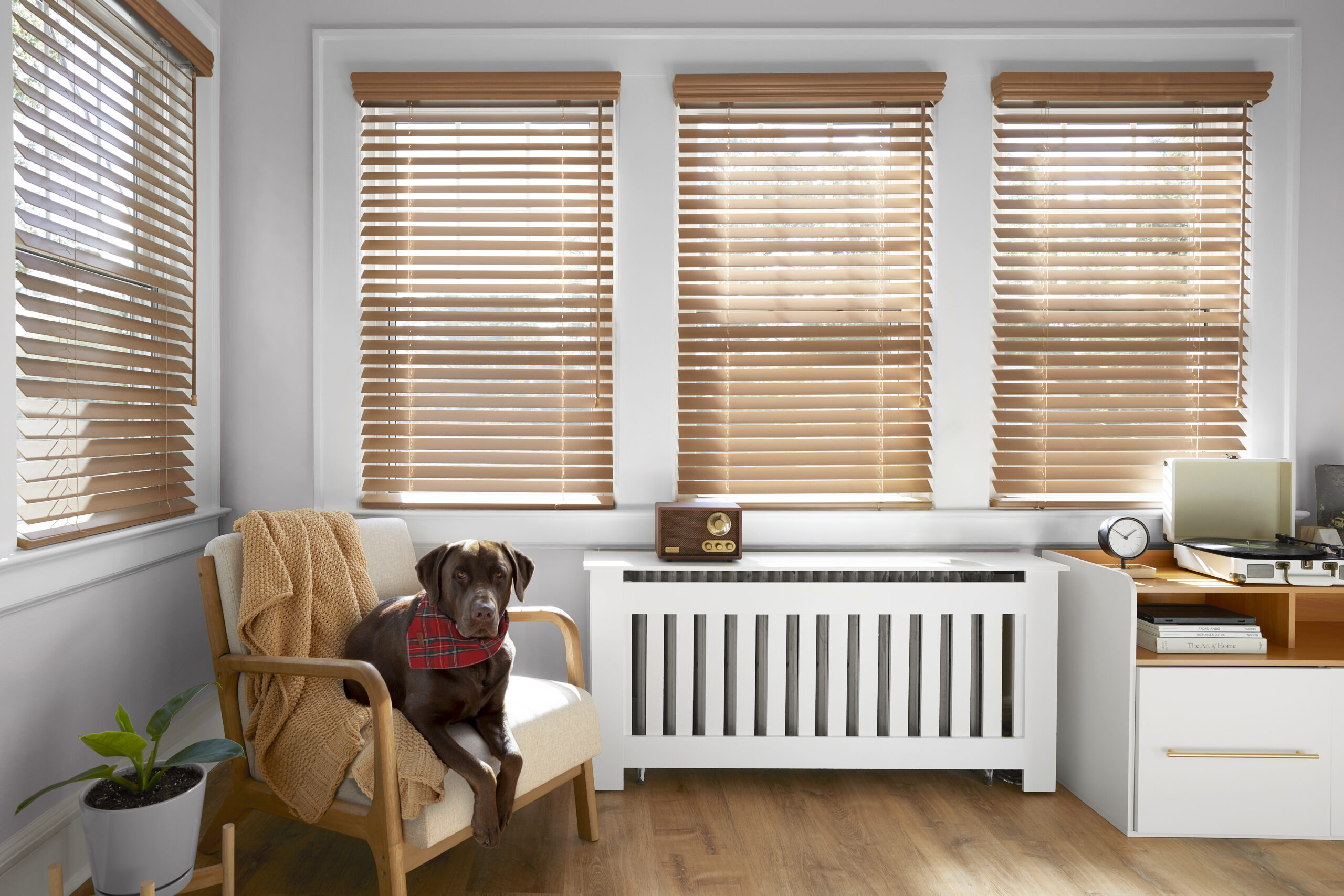
In this campaign, we leaned into rich, lifestyle-driven imagery to help customers envision how these window treatments would live in their own spaces.

Shop At Home
Video Ad Campaign

A lifestyle-driven campaign designed to showcase the ease, comfort, and personalization of the 

Shop at Home experience.

Brand Guidelines

To support the brand refresh, Blinds To Go’s visual identity was refined to create a more cohesive, modern, and lifestyle-driven presence.

The updated system introduces warmer tones, clearer typography, and more consistent brand assets—balancing premium visuals with an accessible, everyday feel.

Design & Campaign Execution

The refreshed identity was applied across key brand touchpoints, including lookbook-style layouts and email campaigns.
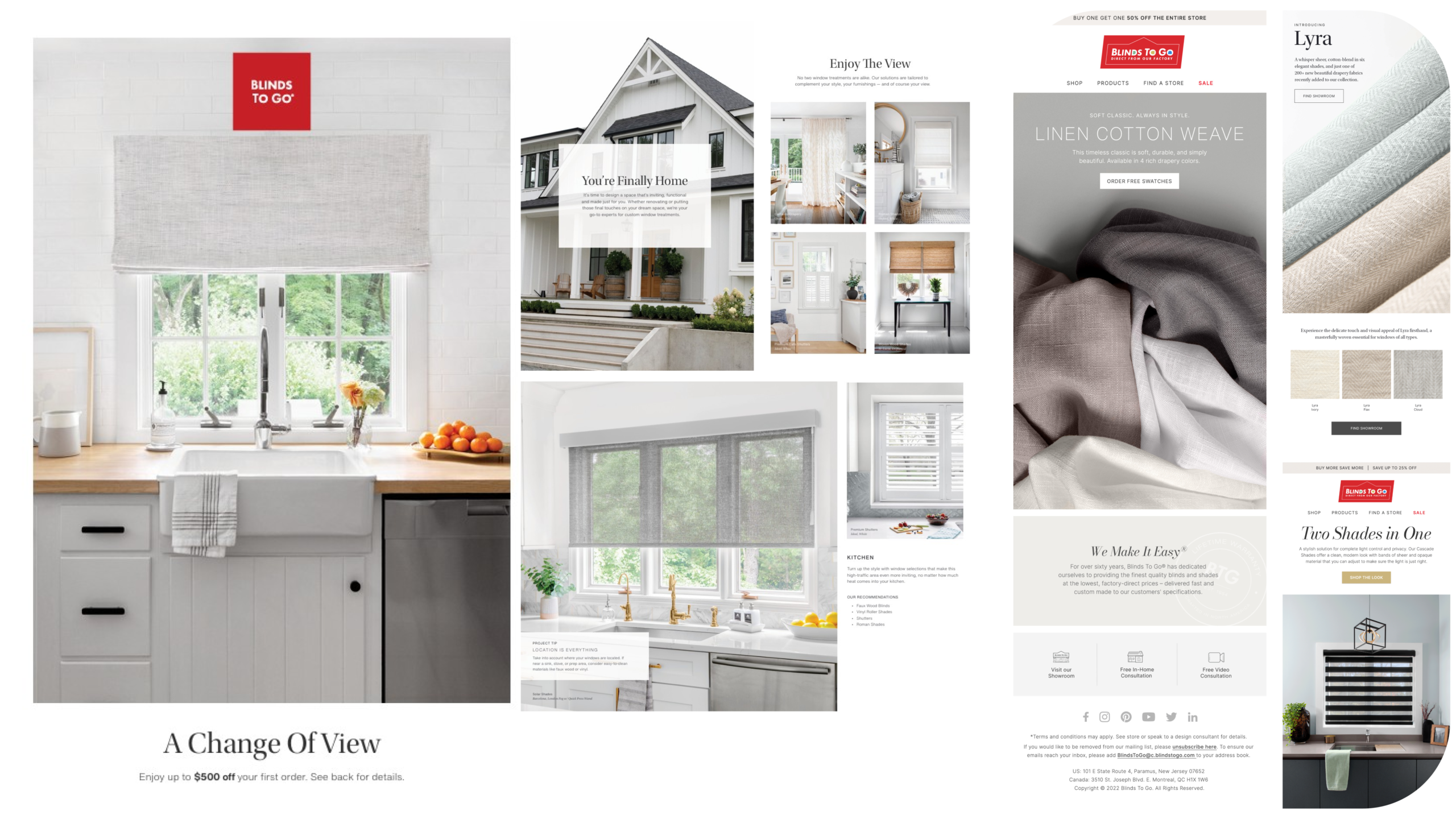
Design work emphasized clarity, lifestyle storytelling, and restraint. Moving away from heavy promotional messaging in favor of a more editorial, brand-led approach.

Role: Design-led execution spanning layout systems, email templates, and website experience, with hands-on involvement across production and brand development.

Deliverables included:

  • Lookbook and catalog layouts
  • Email campaign designs
  • Visual systems supporting multi-channel rollout

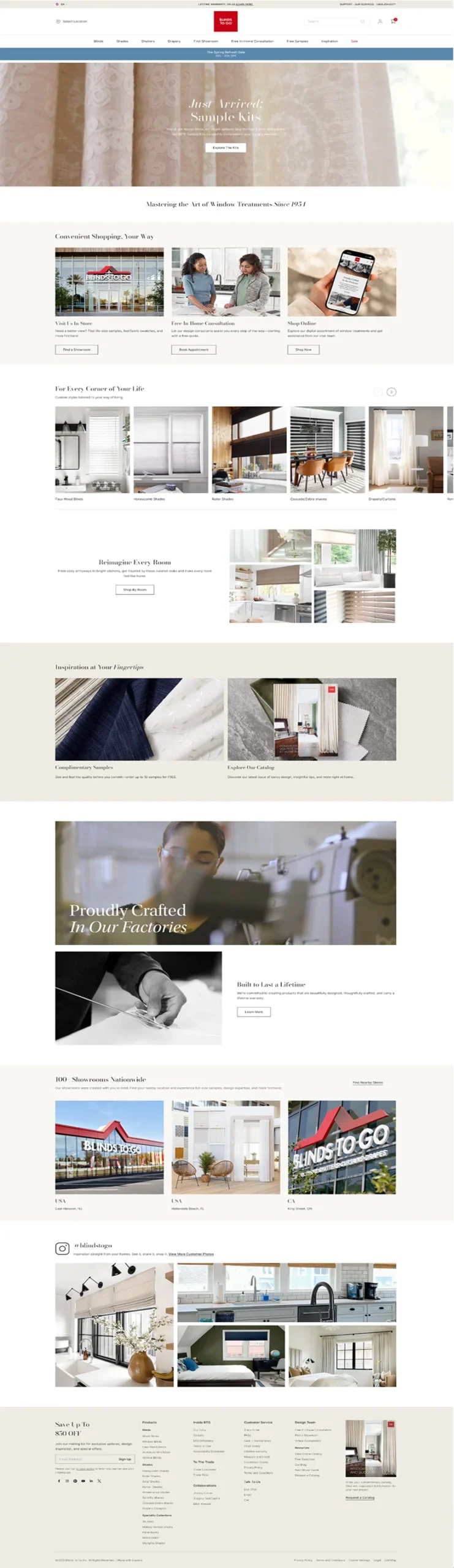
Desktop Layout

The goal was to make it easy for customers to see themselves using the products
and even easier to take action. Every design element was tailored to feel cohesive and conversion-friendly.

Social Media

Assets were designed and optimized for social-first formats, ensuring consistent messaging while allowing flexibility across placements, audiences, and campaigns goals.

This refresh reintroduced Blinds To Go as a modern, lifestyle-driven brand
built to scale across channels while staying grounded in real homes and real customer needs.

Impact

This refresh repositioned Blinds To Go as a modern, lifestyle-driven brand—grounded in real homes, elevated through thoughtful storytelling, and designed to scale seamlessly across channels.